
When Truth and Power Collide in the Church


Across Christian churches today, some believers are considering a quiet but important question: what does faithfulness to Christ actually look like in places of influence and authority?
In the Gospels, Jesus did not make the pursuit of cultural influence or institutional power the centre of His ministry. His focus was drawn to those who knew their need of mercy. Yet His strongest rebukes were directed elsewhere, toward religious leaders who used their position to elevate themselves while overlooking the vulnerable (Matthew 23:5–7).
This tension invites careful reflection for the Church today.
In Matthew 23:4, Jesus speaks of leaders who place heavy loads of religious teaching on the shoulders of believers but are unwilling to help those in need. It is a confronting picture. Wherever church structures place demands on ordinary believers while shielding those in power from accountability, this should raise a warning that warrants careful consideration.
Jesus cautions against an outward appearance of purity that conceals deeper problems within. Churches can, at times, place significant emphasis on doctrinal precision, public reputation, or institutional strength. These things can matter. But Jesus’ words suggest they are not the ultimate measure of spiritual health.
In Matthew 23:23, Jesus names “justice, mercy and faithfulness” as the weightier matters of the law.
This raises a difficult but necessary question: how are the most vulnerable people within our communities experiencing the Church? Are those who have been harmed, silenced, or marginalised in faith communities encountering the protective, attentive care of those who are leading them? Or are there moments where institutional concerns, such as reputation, resources or liability, can unintentionally take precedence over a person who has been harmed?
These are not easy questions to consider. Many believers have experienced what psychologists describe as institutional betrayal, when a place expected to provide safety instead becomes a source of silence or harm. When this occurs within Christian contexts, the impact can be especially profound, because the institution is not merely expected to provide safety but is understood to embody the love, truth and care of Christ.
It is also important to acknowledge that many churches and leaders are working faithfully to protect the vulnerable, strengthen accountability and respond well when harm occurs. Christian leadership at its best is an act of humble stewardship, seeking not its own protection but the good of those entrusted to its care. These reflections are not intended to diminish that work, but to ask whether the Church can continue growing in these areas.
Scripture does not call the Church to protect its image, but to walk in the light. Jesus reminds us in Luke 12:2-3 that what is hidden will ultimately be disclosed. This is not a threat, but an invitation to live now with the kind of transparency that reflects the character of Christ and the truth that eternal judgement will reveal.
Within Reformed traditions especially, there is a deep theological understanding of human sin. If the human heart is indeed prone to self-deception, then accountability is a wise and necessary expression of repentance. At times, this may mean welcoming forms of accountability beyond our immediate circles, recognising that humility does not fear truthful scrutiny, wherever it comes from. Structures that include independent oversight beyond a denomination and clear pathways for truth-telling can strengthen the Church rather than undermine it.
In Matthew 18:6, Jesus gives an equally sobering warning about causing “little ones” who believe in Him to stumble. He views harm to the vulnerable within the community of faith with particular seriousness. In this light, safeguarding is not merely a policy requirement, but a spiritual responsibility.
There is also a quieter dynamic that can emerge in some church cultures. Those who raise concerns, particularly women, may at times find that the focus shifts from the issue being raised to deflection through the criticism of their character or questions about their theological alignment. When this happens, it can discourage honest conversation and obscure the very truth that needs to be brought into the light.
Yet the ministry of Jesus consistently drew near to those on the margins, listened to those whose voices were dismissed, and challenged systems that obscured justice while maintaining religious appearance.
The important question for the modern Church is not simply whether it holds to sound doctrine, but whether that doctrine is visibly bearing the fruit Jesus calls for. Sound doctrine and Christlike character are not competing priorities. Truth rightly understood should shape the way the Church lives, leads and cares for those entrusted to it.
An institution may be theologically precise on paper, yet if its lived reality includes the silencing of the wounded or the protection of those who misuse power, it is worth asking whether something essential has been lost.
This is not a call to cynicism or division. It is a call to alignment.
Jesus is calling His Church to become a community where truth is not feared, where repentance is not superficial, and where the vulnerable are not an afterthought but a central concern of pastoral care.
The Church fulfils its mission not when it protects its strength, but when it reflects the character of Christ.
And that reflection is most clearly seen where truth is sought, and justice, mercy, and faithfulness meet.
Our focus as the Church should begin not with protecting ourselves, but with examining ourselves, cultivating a shared commitment to accountability among all who belong to Christ, including those entrusted with leadership, so that together we may more faithfully follow in the footsteps of our Saviour.

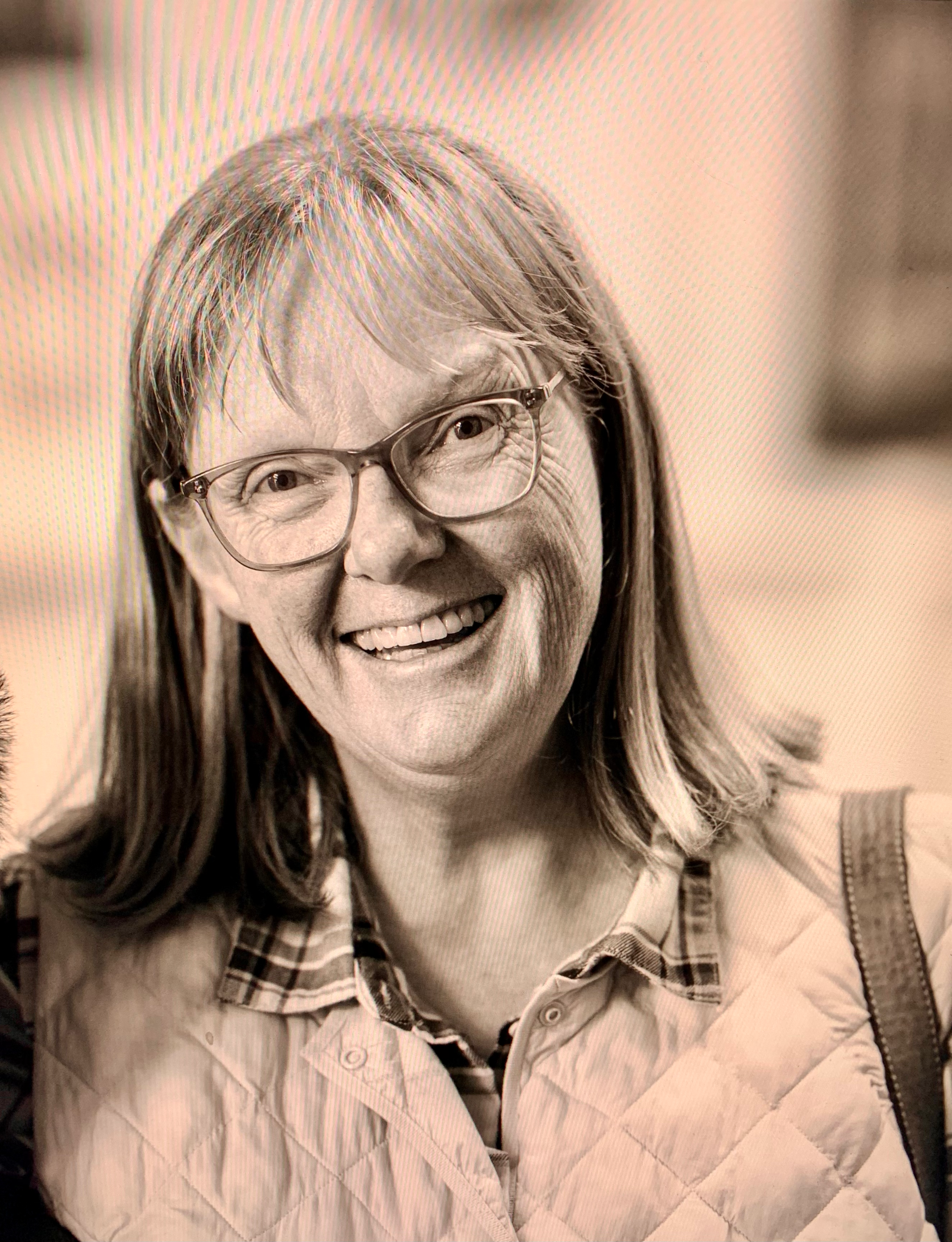
Philippa Cleall has been a committed Christian for almost 40 years, investing long seasons of dedicated fellowship and service in different Christian denominations during this time. Previously an adult educator and teacher, Philippa now works as a professional counsellor and volunteer Court Chaplain. Her books in The Restored from Ashes Series consider the challenges of living with truth and accountability in a church and community.
















Comments