
International Women’s Day and ADHD
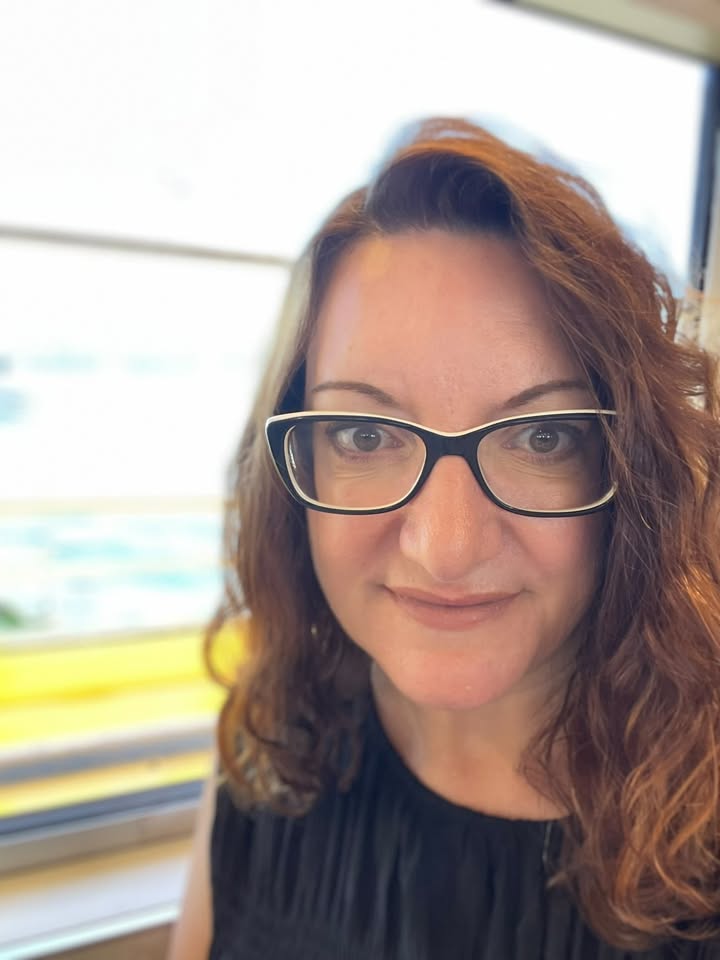

International Women’s Day invites us to celebrate women’s equality, yet it rarely asks which women are able to thrive within the systems we already have. What does it look like when liberation is shaped by being made in the image of God when your brain doesn't fit into the neat systems of church life?
In 2023 I was diagnosed with ADHD. It’s a long story that is becoming more and more common among perimenopausal women. The girls who excelled at school and held everything together through their 20s and 30s, are the same women whose hormone levels dropped in their 40s and the coping mechanisms that worked until then fail and the ADHD is revealed.
For me this looked like a girl who was always "too much" probably "too difficult". I had little impulse control, so I was loud, chatty and both distracting and distractable. I also had a very strong sense of justice. Back in the 80s this was not seen as appropriate behaviour for a girl, so I struggled with friendships and a lot of my friends were male. In my teens I used alcohol to silence the noise in my brain and when I was 18 my focus was non-existent. After scraping through my exams to get into university I found myself unable to get essays completed and dropped out after 3 years without a degree. I then went from job to job, moving on when I got bored before discovering that being an Executive Assistant is the perfect role for someone like me - calm in a crisis, handing a million things at once, and having a fast brain that meant I could come up with creative solutions to problems immediately.
Long before my diagnosis though, nearly seventeen years ago, I had an encounter with God and gave my life to Christ. I realised that I was loved unconditionally by the God who made the universe and the knowledge that my daily shortcomings were forgiven was a balm to my soul.
But as I continued my Christian journey, there was something else: guilt.
Guilt that I couldn't stick to a reading plan, guilt that I would start to pray and my mind would go off on a tangent about things I needed to do, guilt that I would be listening to a sermon in church but my mind would be thinking about how often the church flowers were changed or being distracted by the slightest noise.
If only I tried harder, I could be a better Christian and become closer to God. I know that God forgives my sins, and I know that it has no impact on my salvation, but back then there was always a feeling that if I did these things I would benefit in my walk with Him.
Working in a church office, with disciplined colleagues, only exasperated my guilt. I was good at my job because no two days were ever the same. However, everyone I worked with seemed to manage regular daily time with God, reading His Word and talking to Him. Me? Not so much.
Church structures promote stillness, linear thinking, emotional regulation. it was demonstrated to me over and over again that godliness is quiet, organised and compliant, and so I never quite lived up to this expectation.
I was again “too much” “too distracting” “too loud” in a place where these qualities are definitely not expected from traditionally compliant Christian women.
Since being diagnosed, I've been on a journey of discovery about God and about myself. God made me in his image − Genesis explicitly tells us we are all made in His image - male and female, black and white, disabled, neurodivergent, and so on − so that we would reflect Him and His glory.
God also made us all equal. Galatians 3:28 tells us, "There is neither Jew nor Greek, there is neither slave nor free, there is no male and female, for you are all one in Christ Jesus."
But equality is not sameness. Our brains are all wired differently, and my ADHD has taught me that better than theology ever could.
One story in the bible that I have always found incredibly difficult to read is the story of Mary and Martha in Luke 10. I hear the message that Martha is distracted while Mary is choosing the good portion, and it grates on me. As a woman, a mother, a wife as well as having ADHD, I am distracted, and I don't always choose the good portion.
But Jesus doesn't say that Martha is spiritually inferior, lacking in faith or holiness, or wrong. He says she is worried and distracted. The Greek word usually translated as “distracted” (περισπάω, perispáō) literally means “to be dragged around” or “pulled in different directions.” Martha's distraction is not a sin, it’s a state.
And I think that this is what the church needs to hear, not just about ADHD but about all types of neurodiversity. The structures and systems in churches don’t always work for everyone, and if we are an inclusive body then these things should be considered. Just like having disabled ramps were hardly seen thing fifty years ago, there should be a move for accommodations for neurodivergence.
1 Corinthians 12 details the body of Christ, and how we all have different roles. But these roles can often be defined using traditional methods of church membership: kids’ ministry, morning tea, welcoming, etc.
As a woman with ADHD, I have an incredible sense of justice and I will go out of my way to prevent unfairness, my fast brain means I can creatively problem solve quickly and I'm phenomenal in a crisis. Give me project I’m interested in and I can hyperfocus for days to make it brilliant. Years of brain chaos has made me one of the most organised people I know - I'm an Executive Assistant, and I'm very very good at it!
These qualities are things that the church as a body can benefit from. My creative brain has designed systems to help me in life but also in my walk with God, not because of guilt, but because I and the wider body would benefit from them.
I’ve come to appreciate my qualities are not just problems to manage, but contributions to honour.
Churches could massively benefit from people with ADHD for systems set-ups, justice mission teams, health and safety monitoring. We notice things that others don’t and have a good sense on shifts in energy. The list is endless. Rather than asking how we can help people cope better with church life, the question should be “where do these people excel?”
For those of you reading who may have ADHD, my word to you would be this. Being able to focus well, read or memorise scripture, do a specific form of devotions or prayer time, or being able to sit through whole sermon is not a condition to “being” a good Christian. It may look different to you and if you believe Jesus is your Lord and Saviour you are doing OK.
For everyone else, and particularly those in church leadership, I would ask that you look around your community and notice whose brains are centred, notice who is exhausted, notice who is praised for coping rather than supported for being human, and notice who would be absolutely brilliant in that role that you have praying to be filled.
International Women’s Day invites us not just to celebrate women − but to reshape the spaces they inhabit. It is an opportunity to question and broaden our perspectives when the church learns to honour different minds, it reflects a bigger, truer picture of God. The church is called to reflect that image in all its diversity, not just the parts that fit neatly.

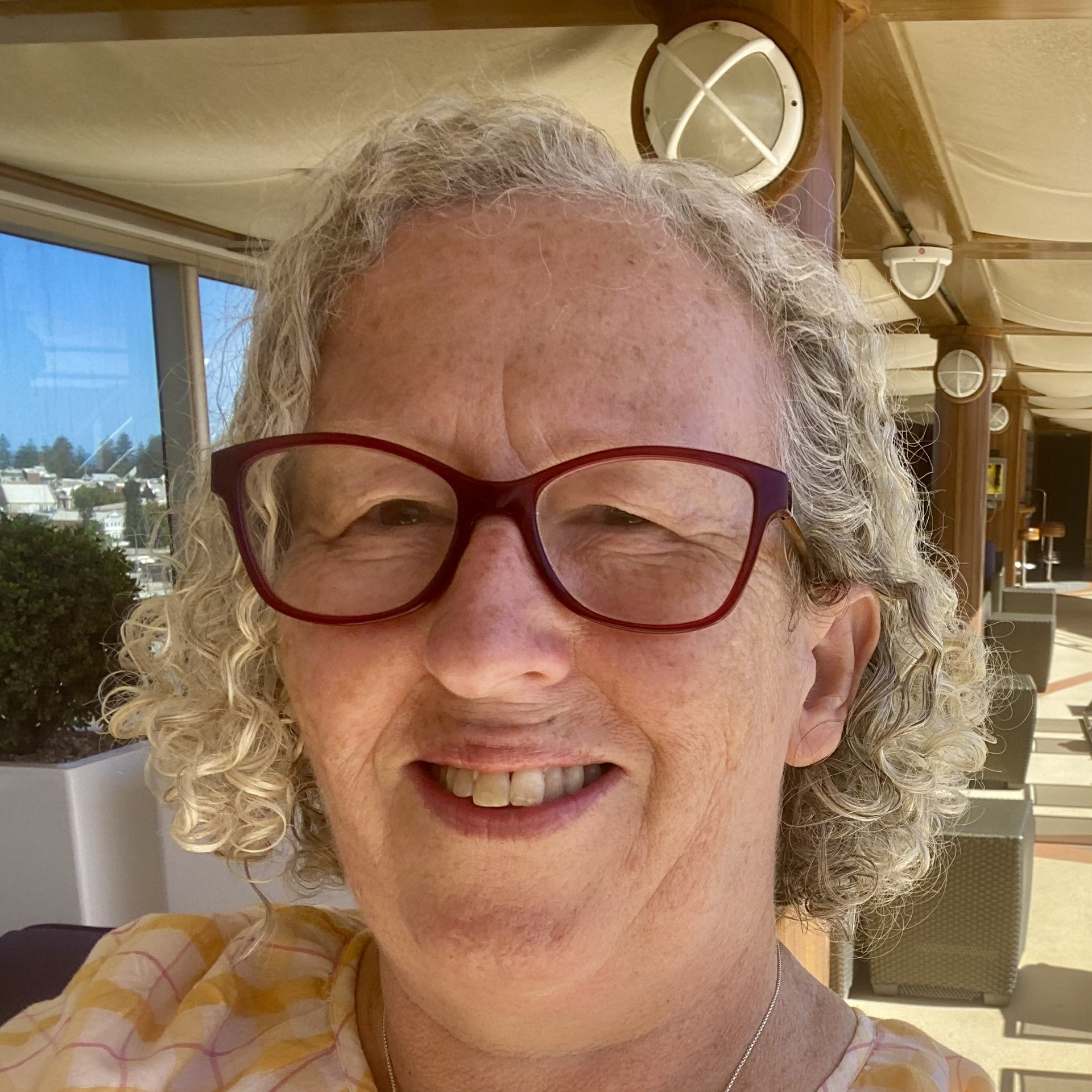
Katie Smith is a British-born mum of three living on Sydney’s Northern Beaches. She works in the Housing Growth at Mission Australia, attends St Matt’s Church in Manly, runs a Christian greeting card side hustle, and is passionate about ADHD awareness. Etsy store: https://www.etsy.com/au/shop/CardsByKTStore













Comments