
IWD 2026: Balance the Scales for all Women and Girls


This week, we celebrate International Women’s Day (IWD), a day set aside by the UN Women’s organisation to highlight the plight of women and some of the issues they face in different parts of the world.
IWD is a day which is sometimes marked by eyerolls or shrugs as tokenistic gesture in a politically correct world by haters or critics. At other times there are genuine musings across conversations about its purposes, or even if it makes a real difference. Some have asked on social media and mainstream media platforms if there should be an international men’s day.
We live in a world that feels increasingly polarised in many ways, but increasingly more connected in others. We are seeing both the championing and accolades of women across numerous sector s- and that is super encouraging. But on the other hand, we also collectively rage and grieve as the gender-based injustices, anti-campaigns in politics and society and obnoxious misogyny which targets, sidelines and harms women.
In an Australian context, we currently rank 13th in the world in regards to gender equality and we have a record 63.1% of women who are engaged in the workforce [as noted by the Australian Department of the PM and the Cabinet]. Of course, we all know that there is work done by both men and women which goes unrecognised by whatever measuring algorithm is used, and so that number would be much greater.
This year’s theme is Balance the Scales. A wonderful thing to strive for, especially in light of the world which we live in today. In some ways, this International Women’s Days (IWD) is similar to other IWD’s of the past where (most) of the world comes together to celebrate women.
In an ideal world, every day would be International Women’s Day; where women are elevated, celebrated, championed and honoured in every part of the world.
In pockets of our world, we see real glimpses of this - for example Iceland announced laws which demands equal pay for women and men when doing the same work. There’s excitement in parts of Europe that five of the next monarchs in the coming years will be women - Queens who will sit on the thrones of some of the longest standing monarchies in the world, and in some cases the first Queen on the throne to rule in her own right. And in church circles we've witnessed the historic commissioning and appointment of Dame Sarah Mullallay, former bishop of Exeter, who’s now the first female Archbishop of Canterbury, the highest servant leader and shepherding role in the global Anglican Church. How cool is that!
But, with the wins come the complexities of being a woman in this day and age. At present the AFC (Asian Football Confederation) women's world cup is being played on home soil where our Matildas are representing as the possibly the most loved (definitely top 3) of any national team or side in Australian sport. However, their campaign and advocacy for the women’s team to get equal pay as the men’s has been refused by those higher up in the game. Last FIFA World Cup, they too fought and advocated for this to no avail.
Perhaps the most troubling circumstance in the women’s sporting world is the fate of the Iranian women’s football team. In a time of war, protest, and change, they displayed remarkable resilience on the international stage. Their actions became a powerful demonstration of courage, steadfastness, and brave defiance. In protest of what has been happening in their homeland, they refused to sing their national anthem during international broadcasts. Their silence was a stand against what their own regime has been doing to their people. There are now calls for them to be severely punished under the charge of treason by state media in their own country; and a call for them to be granted asylum.
We are also living in a time of hard hits and losses for women around the world. At the time of writing this, we are witnessing the disrespect, lack of justice and ongoing cover up of the plight and stories of the many female victims connected to the Epstein files. Women are fighting for their health rights - especially in the areas of family planning in many global north and global south countries around the world. In Afghanistan, young girls and teenagers are denied the human right of education. In parts of Africa, the Middle East, the Subcontinent and even some states of the United States, underage marriage is still a real thing.
So what hope is there for the 21st woman today, especially if she is a Christian? What does a day like IWD look like for our context?
“So God created mankind in his own image,
in the image of God he created them;
male and female he created them.” Genesis1:27
The Bible is also very clear that we are created equal. Not as an afterthought or a Plan B, but as co-workers within the context of human relationships and for community (check out Genesis 2 if you want to indulge more).
Genesis 1 verse 27 reveals that [all] women are made in the image of God. We carry his imprint alongside men, and as such, women have intrinsic, sacred value. We matter to God. Our plights, our fights, our joys, and just who we are is seen and noted by the Divine.
Anyone who claims that the Bible is misogynistic or written to keep a woman in their place clearly hasn’t been reading it faithfully. We see throughout the Old Testament that God raised up women for his purposes - like Miriam, Deborah, and Esther. How he made it possible for women from other faith backgrounds and cultures - like Rahab, Tamar and Ruth - to put their trust in him and identify as his people.
In the New Testament, the gospels are saturated with the names and stories of countless women who learnt from Jesus and identified as his followers. In Acts and the Epistles from Romans on, we see women counted as church leaders, deacons, evangelists, prophetesses, and other significant roles as the gospel goes out across the Empire and beyond. Jesus honoured, called and taught women; gave them the joy of providing for him, and ensured that women were part of the action in some of the most critical moments of his life, including being the first witnesses and evangelists of his resurrection.
Make no mistake, God values women, gives them dignity and values, and raises them up to play their part. He calls, equips and provides every step of the way. That is the testimony which many of us who seek after God have in our lives. And it is why we can get up each day to run the race set before us (Hebrews 12:1) because we find our worth as women in Jesus.
Even if this world cannot see us for who we are; even if we are slighted because of our XX chromosomes, or thought not worthy or equal to, the God who made us is the ultimate one who will balance the scales for the good of his daughters, and so that it can be known that indeed we are created in his image, and created equal.
Whatever IWD means to you, here’s to us! Today we celebrate, as we should every day, who we are as women who are made in the image of God and who have intrinsic value. Don’t forget that YOU matter, that you are considered “fearfully and wonderfully made” (Psalm 139:14), and that you have a role to play in making Jesus known to a broken world.
Happy International Women’s Day!

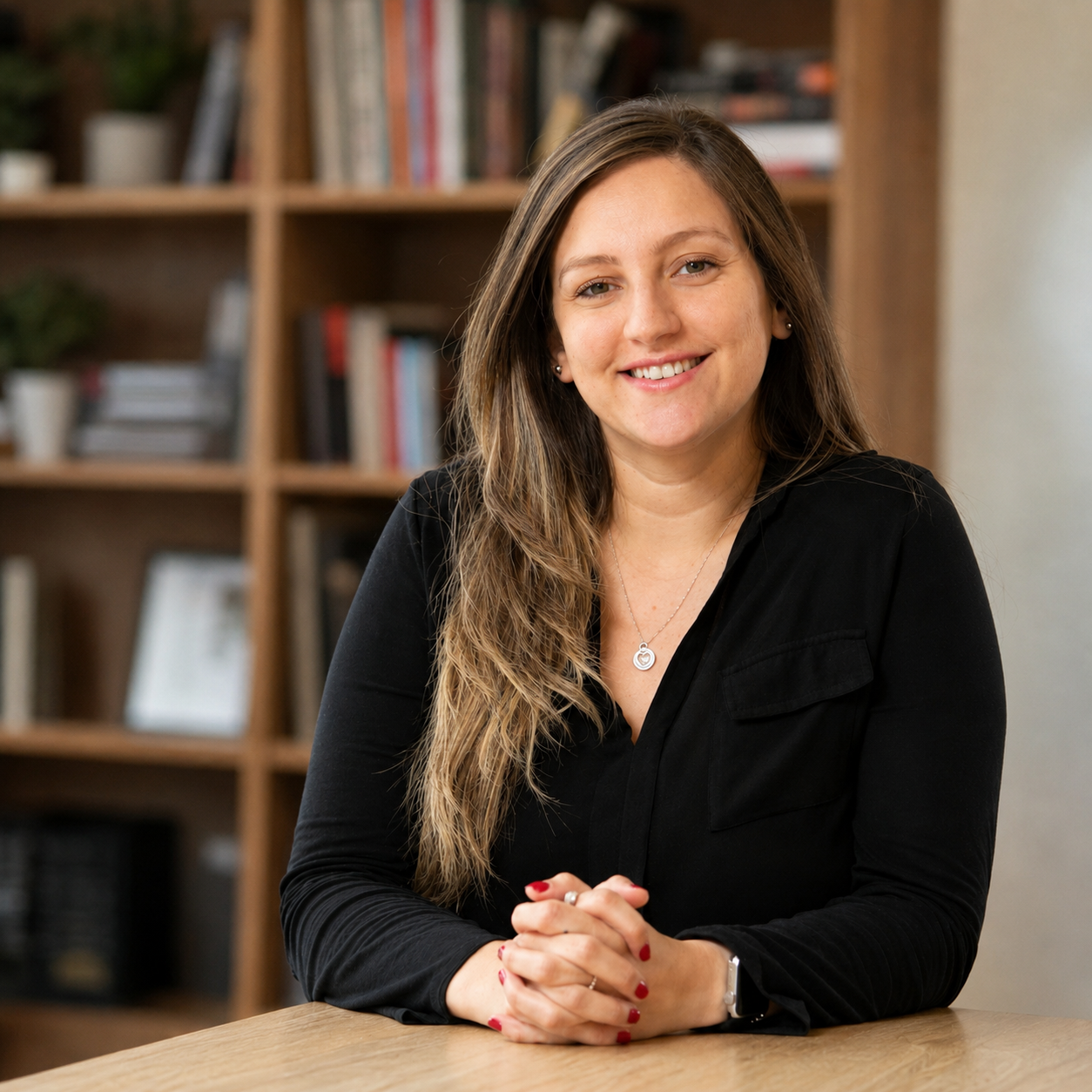
Dharshana is a Baptist pastor who been actively involved in multicultural and CALD (culturally and ethnically diverse) churches for many years. She has served in a range of ministry and pastoral roles both in churches and the local community, including as a youth and young adults worker, a congregational pastor and a high school chaplain. She's a preacher, involved in cross-denominational community ministry with women, and passionate about next-generations ministry- particularly amongst youth, young adults and young workers in both the church and also in the wider community. Dharshana enjoys a good book, musical jam sessions, going to the beach, and catching up with friends and family over a good meal or a coffee. Her hope is that everyone would know the Lord Jesus for themselves and how truly awesome he is.












Comments