
God In Exile and Daniel’s Resolve


Eight years ago, I raised my hand and pledged my commitment to Australia in a ceremony for new citizens. My husband (an Aussie) became an American citizen in a similar ceremony in Boston, Massachusetts. Given how many people are displaced throughout the world for choices they never wanted to make—wars, famines, political conflict—we know our shared citizenship is a profound privilege with equal responsibilities—and challenges.
Whenever we arrive in a new place, making a new home, however temporary, isn’t easy. It can be tough learning to navigate another country or someone else’s culture, especially if it’s not what we imagined.
Which is why I love the Old Testament story of Daniel. From the first chapter, we learn what it looks like to be thrown into a country not your own and yet remain faithful to the One who guided you there, even if you have no idea what the Almighty is up to. Daniel isn’t just a book about a couple of friends who survive a fiery furnace and a lion’s den. It’s a model of faithfulness in foreign lands (metaphorical and geographical), one equally relevant today as we face a world of diverse views and beliefs.
Here’s the backstory: Israel had been disobedient to God’s laws (again) and so King Nebuchadnezzar overthrew them. He raided God’s temple and forced a young Daniel and his people to Babylon, rounding up the ‘best’ captives for a re-education program to expand the Babylonian empire.
As young men, Daniel and his three friends Hananiah, Mishael and Azariah were ripped from their families for the king’s service. Imagine the heartache when the king ordered young Israelites from families of nobility to serve him instead.
As if that weren’t bad enough, Daniel and his friends were assigned Babylonian names to make them fit in, which, sadly, often happens with new immigrants. But their Hebrew names were not just names; they reflected their identity as young men. Daniel means God is my judge; Hananiah, God is gracious; Mishael who is like our God?, and Azariah Yahweh helps. These were theologically ‘named’ guys.
No wonder King Nebachadnezzer took the best and made them learn the language and literature of the Babylonians. He tried forcing them to assimilate to his plans and forget about their God. It was a similar rationale Hitler used to build a youth army of future Nazis.
Yet Daniel and his friends knew who God was and they were as a result; even as young men, their devotional habits, formed in community, were firm, readying them for this opposing culture. They were even required to eat the same food and wine that the king consumed daily.
But Daniel wouldn’t. He resolved not to defile himself with the king’s food or drink (1:8) and asked—respectfully—for a different diet, surely making things tougher for everyone. Why not give in? Wouldn’t that make life easier for everyone? They already had what they needed to ‘succeed’. Why risk such dangerous consequences?
Because Daniel was resolved. Like his name, he knew to whom he was ultimately accountable. His friends did too.
I love this word resolved. It’s so . . . determined, fixed. The Old King James translation says Daniel ‘purposed in his heart.’ Faith wasn’t just some flimsy fad; it had deep roots. He was ‘purposed’ and his life showed it.
But that kind of resolve didn’t just happen. Daniel had been in training with God and his people, studying scripture, hiding God’s promises in his heart, letting them sink into every part of his being. Daniel was unequivocally resolved to be who God made him to be.
Like the resolve of a marathon runner to finish the race—no matter how exhausted her body is, she’ll cross the line. Or the resolve of a prisoner of war to survive, whose hope of being reunited with his family keeps him alive. It’s this resolve—that of God’s people to worship him alone, despite new lands, ideas or circumstances—that anchors them.
Daniel’s resolve meant he wouldn’t compromise. He’d study the literature of the people (good idea) but wouldn’t be ‘defiled’. He didn’t plan an escape back to Jerusalem to retreat from the challenge or try to overthrow the palace with violence. He wasn’t rude or unkind or even judgmental, but instead asked for vegetables and water.
Why? Because Daniel knew God was not in exile just because his people were! God didn’t stop working just because the Israelites found themselves in a foreign culture. God caused the official to show favour to Daniel (v9). God gave knowledge and understanding to the young men, so that they were not just a little better because of their resolve; they were TEN times better than all the magicians and enchanters in the kingdom!
So if God, our helper and judge, is present and at work all the time, even in a culture, office, city or (dare I say it?) church that seems antithetical to everything but him, what does that mean for us? Daniel and his friends didn’t throw out their beliefs by choosing an easier path or giving up altogether.
We can’t either. As a result, Daniel set a standard of integrity to serve others, remaining faithful to a Faithful God, wherever he was. For those of us smitten by the resolve of another young Jewish man named Jesus, our faithfulness will be the same, even when God puts us in circumstances we didn’t ask for or create. He calls to us not to withdraw or choose the easier us vs them polarising ways of cultures or theological differences. We model a different way.
Because if we want to draw from the source of Daniel’s strength, to stand resolved wherever we are, and offer our neighbours—especially new immigrants—the kindness and grace we’ve received, we’ll find it in Jesus every day.

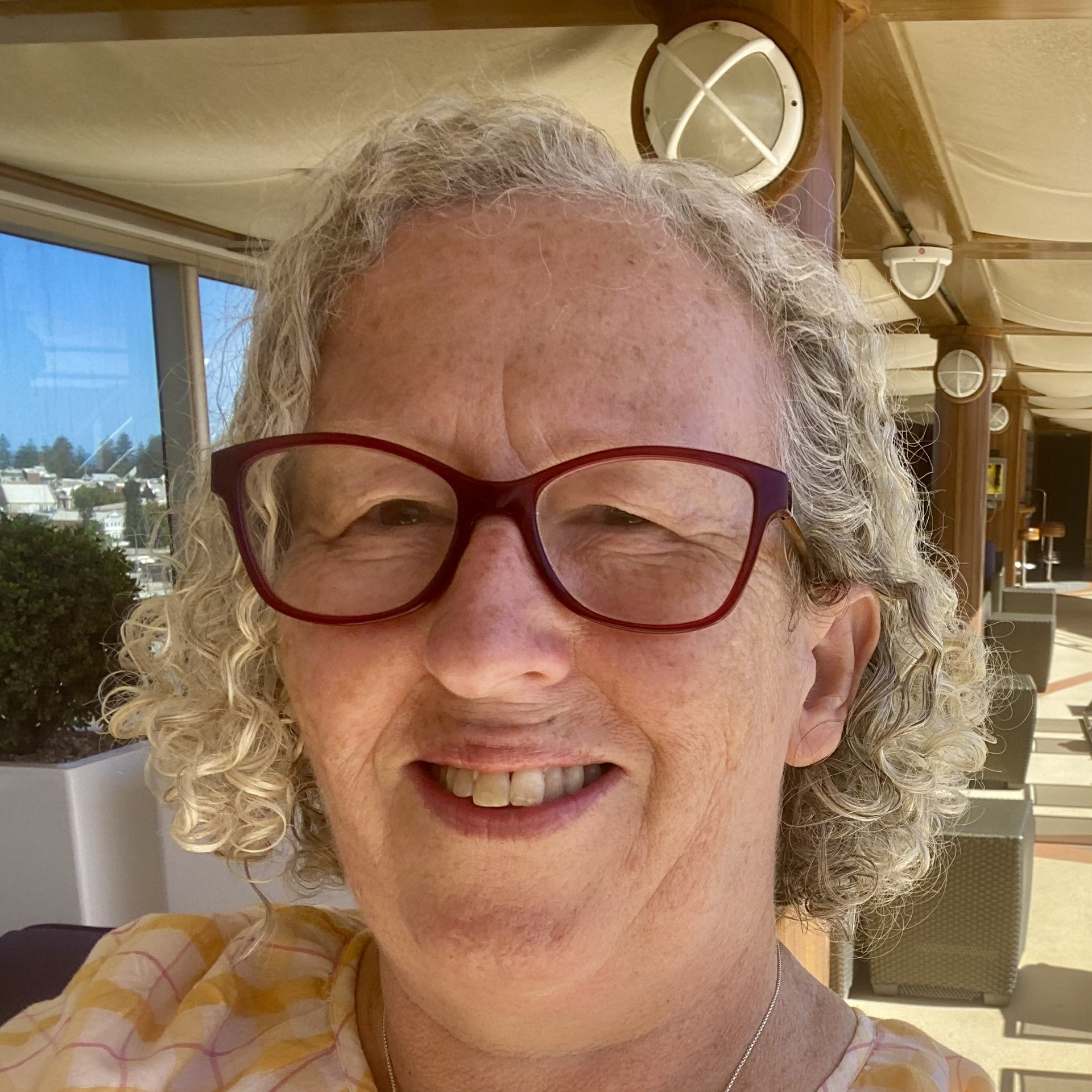
Jo Kadlecek is a teacher and award-winning author who lives in Sydney with her husband and their dog, Lois Lane. She has written and published multiple devotionals, articles and books on Christian living. She blogs at https://asunburntfaith.wordpress.com/ and also writes a regular column for Sight Magazine called ‘Unfamiliar Roads.’
















Comments