
Why Living with Lupus is like a Scavenger Hunt
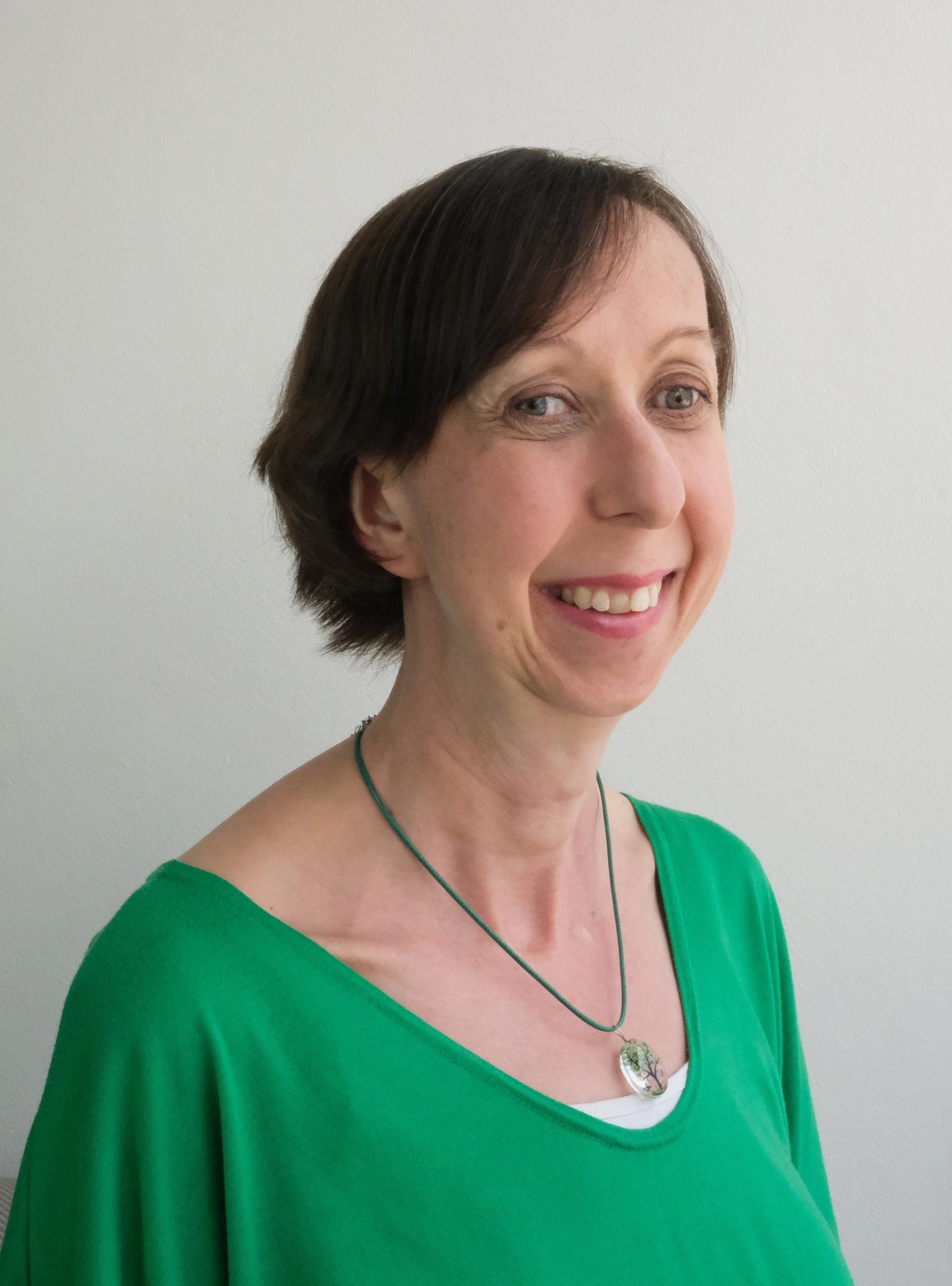

Something was wrong with me. I just knew it. I was in my early twenties, freshly graduated from university and starting work at my first full-time job. Flushed with my own success, I threw myself into work, embracing everything it threw back at me. The world was my oyster.
Except this oyster was woefully sick.
WHAT'S WRONG WITH ME?
The first sign was fatigue. No matter how much I rested or how many holidays I took, I was utterly exhausted. Then followed the vocal problems. I lost my voice, not just for weeks, but for years. A host of other strange issues marched through my body: rashes, numbness, gastrointestinal upsets, constant pain. I started seeing doctors and then specialists, trying to work out what was wrong with me.
The scavenger hunt had commenced.
My doctor dismissed me. ‘Oh, you’re just stressed. You need a holiday.’ I rolled my eyes. Of course I needed a holiday. Didn’t everybody? But holidays had not made any difference to my symptoms. Another doctor guessed that I had a virus. Sure, that must be it. A virus that keeps on going for years. A specialist told me I had a ‘weak spot.’ That’s when I realised the stunning truth: the doctors had no clue.
I started a spiritual scavenger hunt. I began praying. I asked the Lord to provide answers for what was going on in my body. I sought his clarity and wisdom. I surrendered my whole life, body and soul, to his loving care again and again. I requested prayer from church and family again and again.
No answers were forthcoming.
Finally, after a heart ‘episode’ (a polite term for what felt like a heart attack), the voicelessness struck again. I dragged myself off to yet another doctor, but this time, praise God and all his angels, he worked out there was an underlying autoimmune problem. He couldn’t tell me which one though, and there are over a hundred different kinds of autoimmune conditions. It was the kind of answer that leads to a bunch of more questions. It drove my perfectionistic brain up the wall.
After more years of testing, head-scratching and banging on heaven’s door, I was given a name for the madness parading through my body: lupus. This autoimmune disease attacks healthy connective tissue and it can affect any organ in the body: heart, lungs, brain, skin, blood, kidneys, bones, nerves and so on. This was the prize for my hunting efforts. And there was a bonus prize: lupus has no known cure. The only treatment is to treat each symptom that arises.
The news was bittersweet, I can tell you.
Now the real scavenger hunt began. I undertook a crash course in surviving lupus, otherwise known as lived experience. How could I find a way to cope with this enduring illness without a cure? How could I deal with episodes that strike at any time, even if I’m praying and taking my medication and doing everything right? Could I still work? Could I have children? Could I live the life I wanted to live?
LEARNING ABOUT LUPUS
Living with lupus is like living with Dr Jekyll and Mr Hyde. One moment it’s sitting politely in your living room, sipping soda, telling you what a lovely home you have. Next moment it’s smashing the glass on the floor, throwing the chair across the room and screaming in your face.
Lupus is wildly unpredictable. It’s not like getting the flu where you feel awful for a few days and recover. Lupus operates more like a recurring cyclone, where all seems calm for a while and then your world turns upside down. Most of the time, lupus makes its presence known through chronic pain, constant fatigue (no matter how much sleep I get), and brain fog (feels like I’m wading through mental quicksand). But when the cyclone hits, I can be literally stopped in my tracks, laid flat on my back, or forced to call an ambulance.
‘Can’t the doctors give you medication for it?’ I get asked this question so often that if I was paid per question, I could fund research for a lupus cure. The short answer is no. There are medications that help control symptoms or calm down a flare, but even if you’re taking all the medications, the cyclone can strike at any time. Medications are more like PPE; they don’t stop lupus from doing its random thing. Because there is no cure.
Being armed with information is one way of coping with lupus. Taking medication is another. But there are a host of other things I have found helpful.
FINDING MY TRIBE
It’s not easy to find support for a rare disease like lupus. But I have a few close friends with autoimmune conditions, and there is nothing quite like the breath of fresh air that is a friend who gets it. When they describe the sensation of brain fog and I say, ‘Oh, thank God—I thought I was the only one,’ it does good to my spirit and soul. When one lives with a rare disease that virtually no one understands, that camaraderie means everything.
I have found an online community of chronically ill people who ‘get it’ too. It’s so cool to reach out to people from all over the world and share similar experiences, vent about the challenges of lupus, and get support. Because as hard as it is to live with chronic illness, it’s even harder to do it alone. A tribe makes all the difference.
Even people who don’t necessarily ‘get it’ can be a source of great comfort. Caring and empathic friends have been there for me during various flares, driving me to hospital, sitting with me during horrible medical tests, going shopping for me and praying for me. Does it make a difference, knowing people love me through their prayer and acts of service? Of course it does.
As a lifelong perfectionist, it’s been hard letting people do things for me when I’m useless and vulnerable. But just as I experience joy in giving to others, so others experience joy in giving to me. Perhaps I need to get better at receiving every once in a while.
DAY-TO-DAY SURVIVAL
Sitting in a hot office. Climbing a flight of stairs because the lift is out of order. Making an extra stop on the way home. Working late to deal with a crisis.
These are all things that can trigger a lupus flare.
My scavenger hunt has me on the lookout for ways to deal with these triggers, and I have found some gems. I take breaks and walk around. I go slowly. I find outlets for stress: music, cups of tea, sitting by the ocean. I take photos of beautiful things and look at them. I play video games and write fantasy stories. I read. I eat a lot of chocolate. I cuddle my gorgeous furbaby.
One of my biggest saviours has been pacing. I feel better when I listen to my body, pay attention to the early warning signals of fatigue or pain, and rest. It’s not always easy to listen to my body though. When I’m in the middle of something I want to finish it, pain or no pain. Listening to my body can be costly. But you know what? Not listening to my body is even more costly.
Pacing also means stopping before I feel tired. This feels counterintuitive; after all, if I have energy, I can keep going, can’t I? No, I can’t. I need to stop before I feel it. I need to stop without feeling guilty about said stoppage. Because I have learned that if I push myself, it only affects one person (me).
Take that, perfectionist.
The other thing that constantly rescues me is humour. You know the saying, ‘If I don’t laugh, I’ll weep?’ Yeah, that. I use a lot of dry humour and sarcasm to cope with lupus. Just the other day a doctor told me I needed surgery and that the operation would increase my risk of arthritis. My reply? ‘Terrific!’
It helps to laugh at the absurdity that is life with chronic illness. I laugh at new diagnoses and tell the doctors to ‘Put them on my tab.’ I laugh when I can’t move, because it is ridiculous for a person my age to be immobilised. I laugh when doctors say, ‘It could just be anxiety.’ My dude, I know what anxiety is. This is not my first day.
We have to find a way to deal with the plot twists of chronic illness. Laughter helps me keep my head above water when I might otherwise drown.
MENTAL HEALTH FALLOUT
Being depressed by chronic illness is a thing. Feeling anxious about the chronically ill life is a thing. Wanting to escape this chronically ill life by ending it is also a thing.
And being traumatised by illness and medical treatment is totally a thing.
I have been so disabled by illness that I could not see the light at the end of the proverbial tunnel. I have been terrified, overwhelmed, helpless, hopeless. There are times when not even my faith has helped me.
My tribe has come to my rescue at these times. I may not have had any hope left, up a certain creek without a paddle, but their hope coupled with love for me has buoyed me up. I have sent up flares (the other kinds of flares) and sought professional help. Because living with chronic illness is ludicrous. We simply cannot do this alone.
I write about chronic illness partly to help myself, but partly to offer solidarity to others, because I can’t be the only one with these experiences. If you have experienced these things too, please remember you are not alone. And when I run out of words—it doesn’t happen often, but it does happen—I turn to music. Ah, the blessed relief of playing without explaining, playing for sheer pleasure, playing for expression, playing for escape. There’s something healing about music. Also chocolate.
The other thing that hits me hard is grief. It’s about loss: movement, a pain-free existence, youthfulness, joy, travel, peace of mind, my voice, trust in medicine, faith, relationships, the life I dreamed of, the ability to have children, the ability to work, everything. Grief is great. And it’s synonymous with chronic illness.
How do I cope with grief? I don’t have the perfect answer. (If you find one, let me know.) The main way I cope is by grieving. A lot. I grieve each time I call in sick or go home sick. I grieve when I see opportunities I have to decline. I grieve when I have a flare up. I grieve when I receive bad news: a new diagnosis, a limit to treatment, a need for surgery. I grieve all the time for the person I used to be, the children I wanted to have, the life I wanted to live.
Even though my life is filled with blessings—work, loved ones, music, writing, a beautiful furbaby, plentiful supplies of chocolate—and even though I am grateful every day, life with chronic illness is hard. It just is. I will probably grieve for the rest of my life. And that’s OK.
WHAT ABOUT FAITH?
Faith can be a two-edged sword with chronic illness. On the one hand, God’s nearness and companionship have been a great comfort to me. On the other, God has not healed me of lupus. I have wrestled with this. After all, it would be a whole lot easier if God would simply heal me—wouldn’t it?
But he has not. At times I have been really angry with him about this. At other times I have felt truly hurt, disappointed and let down by God. I have been in dire need of healing or at least answers, and he has not helped me. What’s up with that?
I am learning faith is not necessarily the straightforward thing I was raised to believe. God does not always protect me from harm. Sometimes horrible things happen and there is not always a reason for it. There may not be some hidden cosmic plan secreted in my suffering. But there are a few things I have gleaned from my lived experience of illness.
Pain has forced me to slow down. As a perfectionist, I am accustomed to running around and doing all the things. Pain and flare-ups mean I have to listen to my body now. I cannot power through or soldier on; I must rest when my body says so. I also have to lean on the Holy Spirit a lot more. Without his relentless grace on my life, the relentless illness would beat me down. Life with illness is not easy, and it seems that healing would surely be easier. But perhaps this way is a better way.
An absence of healing does not necessarily mean we are doing anything wrong. Sometimes my Christian friends (bless them) look for a reason why I haven’t been healed. ‘Maybe you haven’t prayed hard enough. Have you tried praying harder?’ Honey, I’ve tried praying while hanging upside down like a bat. I’ve tried contortionist positions. I’ve chanted in an open glade under a full moon. ‘Well, maybe you need to repent of some kind of sin,’ they hazard. We need to stop equating illness with sin, OK? Some of the most saintly people I know live with chronic illness. It’s not their fault.
God surprised me one day while I was praying for healing. He told me I wasn’t going to be healed. Just like that. ‘The usual testimony you hear,’ he explained, ‘is that someone gets sick, they pray, and I heal them. But that is not going to be your testimony.’
Oh? What’s my testimony going to be, then?
‘Your testimony will be that you got sick, and I didn’t heal you, and you continued to worship me even in the heights of illness.’
Yikes. Up until that point, I hadn’t considered there was an alternative kind of testimony. Surely the healing thing would give God the greatest glory? But he altered my perspective completely, showing me that worshiping in suffering was another kind of testimony.
Surely many of my brothers and sisters in Christ have similar kinds of testimonies.
THE GREATEST PRIZE
God has not always answered my prayers, at least with words. He has sometimes healed me of symptoms but not healed me of lupus. But he has remained at my side in the most difficult hours, the worst flares, the moments when I felt like giving up. He has spoken to my friends, prompting them to encourage and support me. He has been at my side in hospital beds, in surgeries, in MRI machines. He has been with me in deep waters, in pitch-black underground caves, in raging infernos. And he has never left me.
God has promised to be with us, no matter what beautiful and strange and terrible things may befall us. He has sworn himself to us and written our names on the palms of his hands (Isaiah 49:16). He cannot and will not abandon us.
I am learning the hard way that God loves me, even when my faith has gone AWOL and my spiritual temperature is arctic. He loves me relentlessly, even more than the relentlessness of chronic illness. Because of his great love, he sits with me in horrible places, not escaping, not talking, not distracted but fully present with me. I’m getting better at resting in his presence, communing without words, being still instead of doing, leaning back in his everlasting arms. I know of no greater expression of love than his pure presence that is always with me.
The scavenger hunt will continue. I will fossick for more gems in the rubble, finding ways to laugh at lupus and be kind to myself, searching for survival and sanity in the midst of insane illness and fathomless grief. But I may have already found the greatest prize of all.

Steph Penny’s book, Surviving Chronic Illness: Grace in the Flames, is available for purchase at her website www.stephpenny.com.au and at Koorong. You can also purchase the ebook here: https://books2read.com/u/bQnor7.
If this article has triggered any concerns for you, please reach out to either Lifeline (13 1114) Beyond Blue (1300 22 46 36)















Comments