
5 minutes with Renae


Tell us a little about yourself
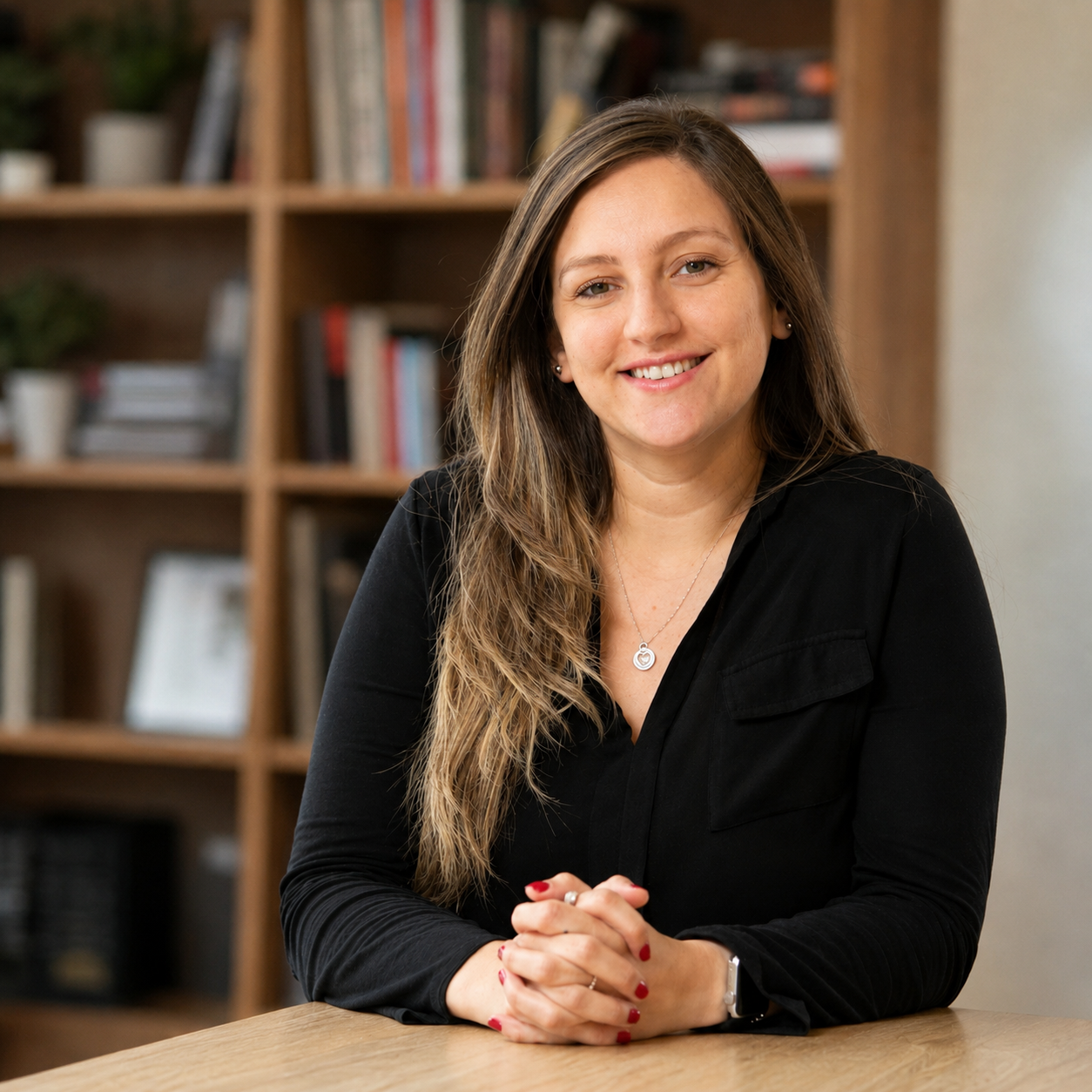
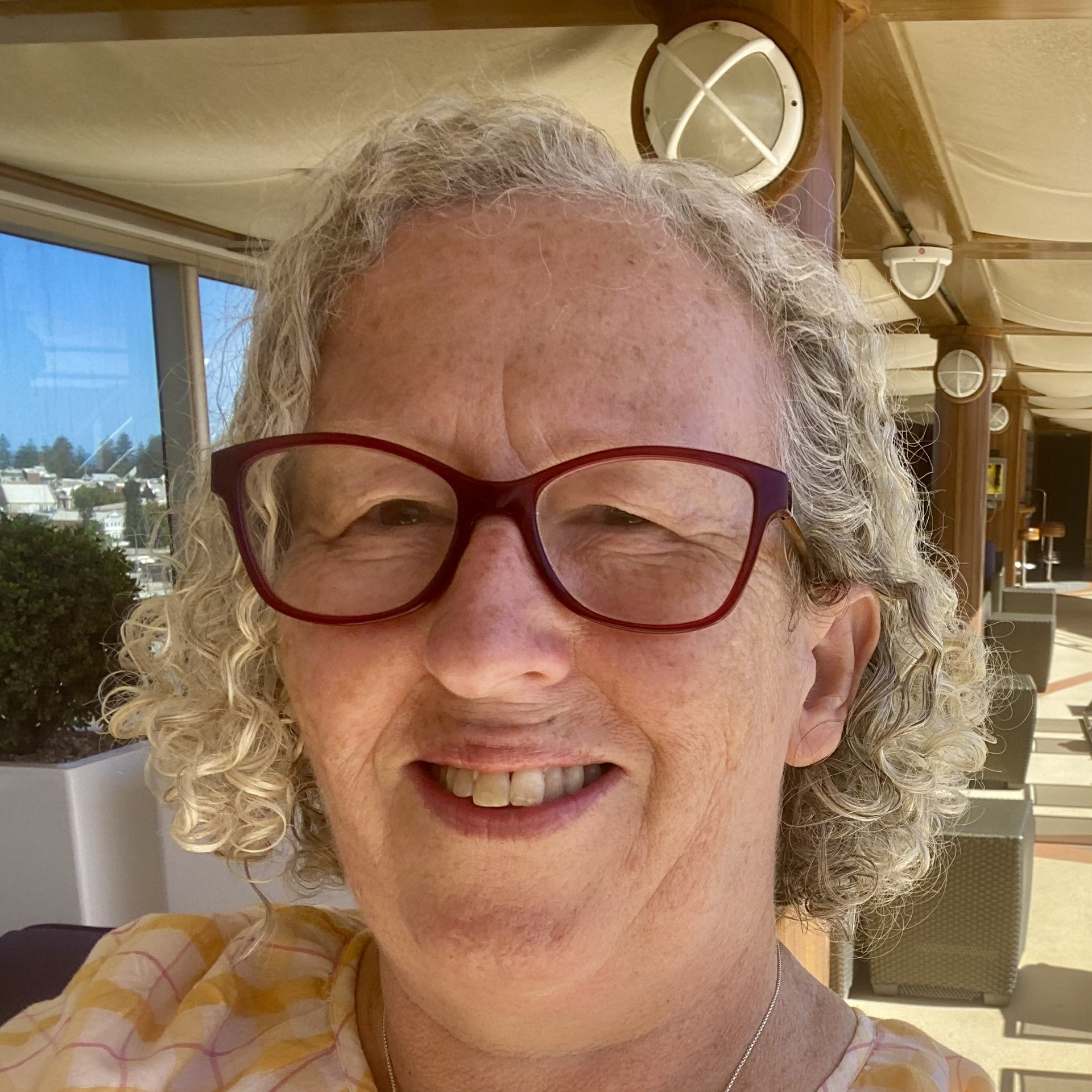
Who I am depends on where I am and the role I am fulfilling. I wear many hats and different professional masks. With my family, I am a daughter, wife, and mother. I grew up as a preacher’s kid in the Anglican Church, and I am married to a wonderful man and mother to two beautiful boys. In my Church, I am just Renae, a cradle Anglican who has served in many ministries but today enjoys being with my family in the pews, singing the hymns I have always sung loudly and with passion, and annoying the church music coordinator by refusing to join the choir. When I am at Synod, I am the Advocate of the Bunbury Diocese and a Canon lawyer. A child of the diocese, having lived and worshipped in many parishes across this small rural diocese. At work, I am Dr. Barker, a national and international expert in freedom of religion, Anglican canon law, and state-religion relationships. I am a researcher, teacher, and mentor. I put on and take off these hats as I navigate the many roles God has called me to fulfil.
Do you have a favourite Bible passage? If so, what is it and why?
If I have to pick a verse, my favourite is John 14:6: "No one comes to the Father, except through me." It constantly frustrates me that I can't read biblical Hebrew or Greek. I love exploring the meanings of words and suspect my engagement with scripture's linguistics would be greatly enhanced if I could. However, in English, this verse gives me plenty to ponder.
On one hand, it tells us that the only way to God is through Jesus, serving as both a reminder and a call to evangelism. I personally prefer quiet evangelism through living by example, but I am grateful for those whose gift of evangelism is more overt. On the other hand, the verse suggests that if someone has come to the Father, their route must have been through Jesus.
In my work, I meet many people who clearly have a deep relationship with the Father, even if they don't call it that. If they have come to the Father, then it must have been through Jesus, even if they did not know that name or the Gospel. God has a plan to redeem all His children, and I firmly believe that Jesus works in people without them knowing His name. The verse, therefore, reminds me to be humble in the face of the power of God and Jesus to work in the lives of others. It is not my works but those of Jesus that open a path for all people to the Father.
If I can pick a whole book, I would select Ruth. As a child growing up in the 1990s the church was a place dominated by men. I was therefore drawn to stories where women not only featured but spoke. Of those, Ruth was my favourite.
How do you keep your eyes fixed on Jesus?
Maintaining focus on Jesus amidst my busy life is a challenge. Though I spend much of my day researching, writing, and teaching about religion, the demands of my work can sometimes overshadow my connection with Jesus. Attending church as regularly as my schedule allows and worshipping with others helps keep me grounded. It serves as a constant reminder that Jesus and God are the reasons behind my work, even when I critique and criticise religion.
What would you like the next generation of Christian women to know?
My generation of women was told we can have it all: motherhood, leadership, a profession. We should want it all and expect to have it. What we weren’t told is that it would be exhausting and that we would be pulled in different directions. Be expected to parent as if we did not work and work as if we did not have children. For the next generation of Christian women, I want them to know it’s ok to find it hard. It’s ok to want only some of all that life has to offer or to want it all. It's ok to choose some roles and reject others and it's ok to take on different, and sometimes contradictory roles. You can lead and serve or just do one. But whatever you choose,' know there are women who have gone before you who will support you.
What’s one thing that you love about your local church?
I love the diversity and inclusivity of my current church community. Many churches in the Anglican church are aging so as a relatively young family we can feel the pressure to “be the future of the church.” Our congregation is much more diverse with a mix of ages, family structures, races and languages. With new Christians and cradle Anglicans. Most importantly, it has been welcoming of our neurodiverse family and the chaos that can bring.
What did you learn about God during a time in your life that you found hard?
The hardest lesson I have learnt is that God gives one of three answers to prayer, yes, no, or wait. Wait is the hardest. Delay of dreams, delay of expectations, delay of plans is a hard pill to swallow. It can feel like God has turned away from you. Of course, he hasn’t but it can be hard to see that when God is telling you to wait.
What are you passionate about?
This is such a hard question because I am passionate about so many things – it just depends on which hat I am wearing at the time!
As a mother, I am passionate about the importance of play and a big advocate for Godly Play. As a woman, I am passionate about providing young women with an opportunity to explore what their leadership might look like within the church. As an academic, I am passionate about exploring new ways of understanding state-religion dynamics and as an advocate, I am passionate about finding ways to promote freedom of religion in an inclusive way that avoids religion being used as a trump card to diminish the rights and freedoms of others.
What do you enjoy doing when you rest?
Rest is hard – I am not good at it! I enjoy spending time with my children and husband. I enjoy time with my animals (I have two greyhounds and a cat). I enjoy cooking and sewing and more recently, painting. I also enjoy watching science fiction such as Star Trek or playing Minecraft.












Comments