
Do Tell: The Cost of Speaking and Hearing Truth


In many church communities, silence in the face of harm can feel like wisdom.
It preserves relationships, avoids conflict, and protects reputations.
But sometimes, silence is the very thing that allows harm to remain and to be repeated.
The renewed attention around the film Don’t Tell, recently featured in Netflix’s Top Ten, brings this reality into sharp focus. It recounts events of abuse within a Queensland Anglican school and the long, difficult path toward those events being acknowledged. At its centre are young women who spoke about what had happened to them, even when they were discouraged, dismissed, or not believed. Alongside them were others who had witnessed these events and could have remained silent but instead chose to finally step forward and tell the truth.
Their courage did not emerge in a vacuum. It came at personal cost, yet it also became part of what brought hidden realities into the light.
Stories like these raise important questions for Christian communities today. Not only about where harm has occurred, but also about what allows it to remain hidden, and who is willing to seek and courageously uncover truth.
This is not a new challenge. Throughout Scripture, we see women who chose to speak and act with courage in the face of risk. Esther, Rahab, and Abigail each stepped forward at critical moments, using their voices to protect others and to confront what was at stake.
The Gospels offer a striking picture of Jesus that speaks into this space. When He enters the temple and overturns tables, He is confronting a religious system that was justifying wrongdoing and had lost sight of those it was meant to serve. His actions are clear, disruptive, and rooted in a deep commitment to justice.
As the story moves toward the cross, we hear that Jesus was not silent. He spoke truth about the hypocrisy of religious leaders and the coming judgment. We also see how that challenge was received. Those in positions of authority close ranks. They began to manage the threat to their leadership by planning to silence the voice that was exposing their misconduct.
However, Jesus cannot be silenced. He spoke powerfully by rising from death, overcoming the plans of those who sought control, revealing that He is truth.
He also demonstrates wisdom. When Jesus was led toward the cross, He chose when to speak. Before Pilate and His accusers, He did not defend Himself or argue His case. He remained silent.
This restraint is not a retreat from truth, nor is it an acceptance of injustice. Rather, it reflects a deep trust in the Father and a willingness to bear what others have done, knowing it would ultimately lead to justice for us, as His death paid our price.
From this, we learn a principle for today that invites careful discernment. For us, there are moments to bravely speak, particularly when people are at risk of harm from a person, system, or institution. But there are also times to know when speaking up to those unwilling to hear truth is unlikely to bring protection or justice. In these situations, prioritising the safety and well-being of those at risk is the most important action.
The cross reveals many things. Among them, it shows us what can happen when preserving a system becomes more important than protecting people.
This is not only a pattern of the past.
Today, even within communities shaped by faith and good intention, it can still be difficult to name what is wrong. Concerns can be softened, delayed, or redirected. The desire to maintain unity can, at times, come at the expense of truth and the protection of people.
For many within church communities, these dynamics are not distant. They reflect personal experiences. But the way of Jesus does not lead us into silence when serious harm has occurred. Luke 8:17 reminds us, “For there is nothing hidden that will not be disclosed, and nothing concealed that will not be known or brought out into the open” (NIV).
Throughout His ministry, we see Jesus’ attentiveness to those on the margins whose voices were often overlooked. He creates space for them to be seen and heard, and He does not turn away from naming what is uncomfortable or confronting. For women in Christian communities today, particularly those in positions of influence or leadership, this presents both a challenge and an invitation:
• To pay attention to what others might overlook or dismiss.
• To listen carefully when someone shares something uncomfortable.
• To discern truth with godly wisdom.
• To speak with honesty, courage, and compassion when needed.
There is a particular strength in this kind of leadership. It does not seek power, but neither does it shrink back from responsibility. It understands that protecting others sometimes requires stepping into difficult spaces to ask questions, raise concerns, or stand alongside someone whose voice is at risk of being lost.
Jesus does not bypass what is damaged, harmed, or broken. He brings it into the open. And it is there, in the light of truth, that the possibility of healing begins.
When truth is avoided, harm does not disappear; it is simply carried quietly and heavily, often by those least able to bear it alone. But when truth is uncovered and named wisely, carefully, and courageously, it creates space for something different. It interrupts patterns that might otherwise continue, and it reflects the heart of Christ.
As Easter approaches, the example of Jesus is both convicting and comforting.
He does not turn away from what is hidden.
He does not protect systems at the expense of people.
He walks in truth, even when He knows it will lead to the cross.
Jesus invites us to follow Him, not only in faith, but in courage: to speak when it would be easier to remain silent, and to stand for what is right, even when the outcome is uncertain.
It is only at the foot of the cross that our sins of self-interest and pride can be laid down. Here, Jesus demonstrated His ultimate stand for truth. If we bravely follow Him, the cross will continue to overturn tables in lives today, bringing cleansing, hope, and renewal.

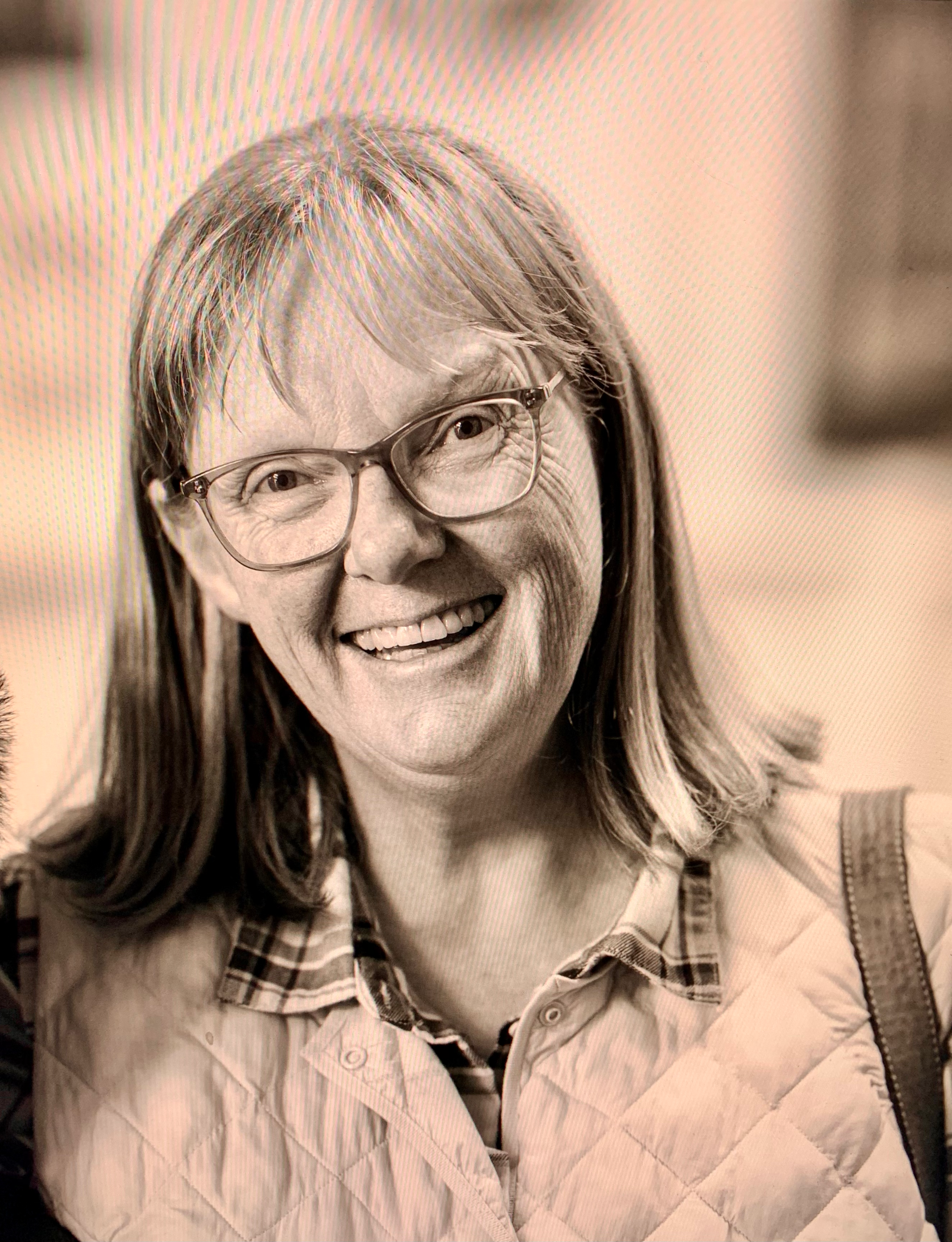
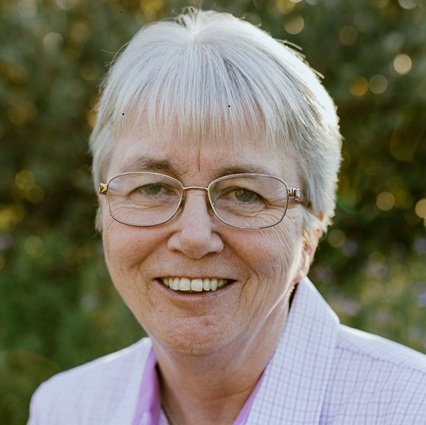
Philippa Cleall is a Children’s and Family Counsellor, volunteer Court Chaplain, wife, mother, step-mum, and proud grandmother. As committed Christian for over 30 years, Philippa’s walk with God has been shaped not only by faith, but also by personal trials and seasons of deep testing. These experiences have instilled in her a compassionate heart and a desire to bring encouragement and restoration through her writing. Her debut novel Restoring Hope (Ark House Press, 2025) explores faith, abuse recovery, and the call to protect those who are hurting in Christian communities. She has a heart for seeing churches become places of healing, wisdom, and truth. Free discussion guides and a Bible Study series Healing with Hope are available at www.philippacleall.com .












Comments